
Summers in Northern Michigan are not meant to be spent indoors. Between the Traverse City Film Festival and weekends on West Bay, summer is too short to be distracted by hearing aids that won’t stop itching.
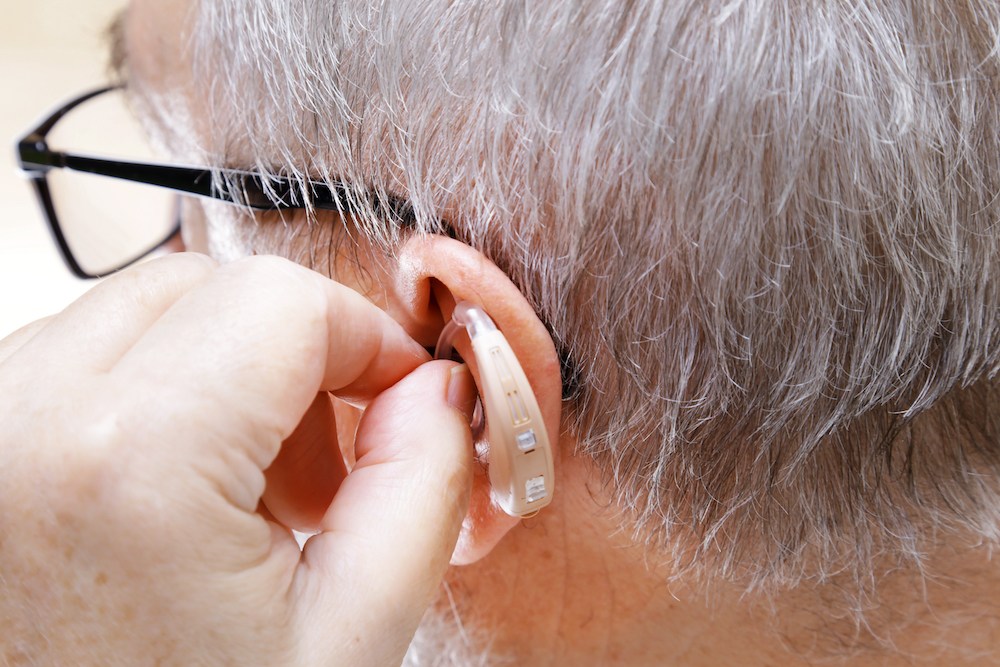
And yet, that’s exactly where many people find themselves halfway through a good day. They’re stuck constantly adjusting a device that should have faded into the background hours ago.

Itching and irritation are among the most common reasons people stop wearing their hearing aids consistently, and they’re also among the most fixable.

Usually, it’s not the hearing aid causing the problem. Things like trapped moisture, dry skin, fit issues or certain materials are more common culprits. Once you identify what the issue actually is, the solution tends to be a lot simpler than most people expect.

Common Reasons Your Hearing Aids Make Your Ears Itch

Wearing a new device in your ear takes some getting used to. Sometimes you might notice an annoying itch or a bit of irritation inside your ear canal. This discomfort is actually a very common issue that many people experience.

Several everyday factors can trigger this uncomfortable feeling in your ears:

  • Material sensitivities: Some ears react to the plastic, silicone or metal used to make the devices.
  • Trapped moisture: Sweat or water can get trapped behind the device, creating a damp spot that can irritate your skin.
  • Earwax buildup: When wax gathers in your ear canal, the device can press against it and cause a tickling or itchy sensation.
  • Cleaning product residue: Leftover soap or wipes on the device can cause a mild allergic reaction or redness.

Moisture and Sweat as Causes of Ear Irritation

Moisture is one of the most common causes of itchy hearing aids. When sweat becomes trapped between the device and the skin of your ear, it can create a damp environment that irritates the ear canal.

After a while, excess moisture can disrupt the ear’s natural balance, leading to itching, redness and discomfort.

This can be especially noticeable during Northern Michigan summers. Between humid days, time on the water and outdoor activities, it’s easy for sweat to build up around hearing aids. The longer moisture stays trapped, the more likely it is to cause irritation.

Sweat and moisture can build up quickly, especially during the summer. Drying your ears and hearing aids after outdoor activities can help reduce irritation.

Many people also benefit from hearing aid drying kits, which help remove excess dampness and keep devices working properly.

Daily Cleaning and Home Care Tips for Ear Relief

When your ears start itching, it’s often the little things that make the difference. A bit of trapped sweat, extra earwax or dry skin can leave your hearing aids feeling uncomfortable long before you notice what’s causing it.

Try these easy steps:

  • Wipe your hearing aids with a soft, dry cloth each night.
  • Clean the outside of your ears with a washcloth, but avoid using cotton swabs inside the ear canal.
  • Take your hearing aids out for a few minutes if your ears feel irritated.
  • Let your devices dry completely before putting them back in.
  • If dry skin is the problem, use products recommended for the ears and hearing aids.

How Proper Fit and Materials Prevent Ear Irritation

A proper fit is essential for keeping your ears comfortable throughout the day. If your device is too loose, it can slide around and cause painful friction against your skin. A tight fit presses too hard on sensitive areas and blocks normal airflow.

An audiologist can take precise measurements or custom molds to match the exact shape of your ear.

Sometimes the physical shape is perfect, but the skin still reacts to the device itself. Certain plastics, silicone or metals can trigger mild allergic reactions in sensitive skin. Switching to hypoallergenic materials or softer shells can quickly stop that constant itching.

Changing these options provides relief without sacrificing your ability to hear well.

Earwax Buildup and Its Impact on Itching With Hearing Aids

Earwax helps protect your ears, but hearing aids can sometimes make it harder for wax to move out of the ear naturally. As wax builds up, it can start to cause problems with both comfort and hearing aid performance.

You may notice your hearing aids feeling itchy, uncomfortable or loose in your ears. Some people also experience muffled sound, whistling or feedback from their devices or a plugged-up feeling that doesn’t go away.

Because these changes often happen gradually, many people don’t realize earwax is contributing to the problem until the buildup becomes more noticeable.

Keeping your ears and hearing aids clean can help reduce these issues. Regular cleaning also helps prevent wax from interfering with sound quality and making your hearing aids less comfortable to wear.

If earwax continues to build up, professional removal may be needed. During an appointment, an audiologist can look inside the ear canal to determine whether wax is causing the irritation and remove it safely if necessary.

They can also clean any wax that has collected on the hearing aids themselves, helping restore both comfort and sound quality.

Knowing When to Take Short Breaks From Wearing Hearing Aids

If your ears feel itchy, sore or irritated, taking your hearing aids out for a short time can sometimes help. A brief break gives the skin inside your ears a chance to recover, especially if moisture, pressure or friction has started to cause discomfort.

The key is choosing times when you don’t need to hear as much. For example, you might take your hearing aids out while reading at home, getting ready in the morning or relaxing in the evening.

Short breaks like these can give your ears a rest without causing you to miss important conversations or sounds.

At the same time, it’s important not to leave your hearing aids out for long periods every day. Wearing them consistently helps your brain stay connected to the sounds around you and makes it easier to get the full benefit of your devices.

Finding the right balance can help keep your ears comfortable while still supporting better hearing.

Why You Should Avoid DIY Ear Relief Products

When your ears itch, you might feel tempted to grab an over-the-counter cream or rubbing alcohol from your medicine cabinet. Putting these liquids and treatments into your ear canal is a major mistake that often backfires.

Products like hydrogen peroxide or harsh rubbing alcohol strip away the natural protective oils inside your ear. This severe dryness irritates your sensitive skin even more and makes the itching worse over time.

These home remedies can also cause serious damage to your custom devices. Chemical ingredients in creams and store-bought drops easily break down the protective coatings on your devices.

This buildup can clog the tiny openings or ruin the delicate parts that pick up sound. Always talk to an audiologist before putting any new product into your ear.

When to Call an Audiologist for Ear Itching

Home care tips work well for minor itches, but some situations require an expert eye. You should look out for red flags like sudden swelling, fluid discharge or throbbing pain.

These symptoms usually mean you are dealing with an ear infection rather than simple skin irritation. Leaving these issues alone can cause more discomfort and affect your daily hearing health.

Please contact your audiologist if the tickling sensation does not go away after a few days of cleaning. They can look inside your ear canal to check for hidden irritation or wax buildup. An expert can quickly adjust the shape of your device or swap out the current materials.

What to Expect During Your Visit

During the appointment, your audiologist will look inside your ears to check for wax buildup, redness, swelling or signs of irritation. They may also ask when the itching happens, how long you wear your hearing aids each day and whether one ear feels worse than the other.

They will also check the hearing aids themselves. Sometimes the issue comes from the fit, the dome or earmold material, trapped dampness or buildup on the device.

Depending on what they find, they might clean the device or adjust the fit. They can also change the dome size or recommend a different, more comfortable material.

Comfort is Not Optional

When hearing aids become itchy or uncomfortable, it’s easy to wear them less often or take them out whenever you get the chance. Whether it’s moisture, dry skin or the fit of the device, identifying the cause can make wearing your hearing aids much more comfortable.

Hearing Solutions of Northwest Michigan is in Traverse City at (231) 518-4422. If your hearing aids have been bothering you, give us a call. A quick adjustment or a closer look at the fit may be all that’s needed to get you back to wearing them comfortably.