
How to Keep Hearing Aids Working in Cold Weather
Cold weather creates challenges for hearing aids that most people

By: admin | November 18, 2025
Audiologists do more than just test your hearing. They help you manage your overall ear health in ways that go beyond what you might expect.
Even if you haven’t noticed hearing changes, an audiologist can provide valuable insight into how your ears are functioning and catch issues before they become problems.
An audiologist can also explain why you’re experiencing symptoms like ringing in your ears, pressure or difficulty hearing in certain situations. This kind of guidance helps you make informed decisions about your ear health rather than waiting until something becomes obviously wrong.
Having someone who knows your ear health history and can track changes over time makes it easier to prevent issues from developing or getting worse. It’s a proactive approach that keeps your hearing and ear health in good shape without requiring you to become an expert yourself.
Hearing loss can happen for a variety of reasons, and understanding the causes helps explain why it affects people differently.
One of the most common factors is noise exposure. Frequent or prolonged exposure to loud sounds from concerts, power tools, machinery or headphones can damage the delicate hair cells in your inner ear, leading to gradual hearing loss over time.
Aging is another major contributor. As we get older, the structures inside the ear naturally change, and hearing sensitivity often declines. This type of age-related hearing loss typically affects the ability to hear higher-pitched sounds and may progress slowly over the years.
Genetics also play a part, as some people are more prone to hearing loss due to inherited conditions or family history.
Certain medical conditions and medications can also affect hearing. Health issues such as diabetes, high blood pressure or heart problems can influence blood flow to the inner ear and contribute to hearing difficulties.
Some medications, including certain antibiotics, chemotherapy drugs and high-dose pain relievers, can damage the ear when used over time.
Lifestyle and environmental factors can further influence hearing health. Smoking, for example, is linked to an increased risk of hearing loss, and repeated exposure to secondhand smoke may also be harmful.
Other ear-related concerns extend beyond hearing loss and can affect comfort, balance and overall ear health.
One common issue is tinnitus, which is a ringing, buzzing or humming sound that seems to come from inside the ears. Tinnitus can be constant or intermittent and can result from noise exposure, age-related changes, certain medications or underlying health conditions.
Earwax buildup is a common problem that can lead to muffled hearing, discomfort or a feeling of fullness in the ear canal if not managed appropriately. An audiologist can recommend if removal or maintenance is needed.
Balance problems are closely linked to the inner ear, which houses the vestibular system responsible for equilibrium. Conditions such as vertigo, dizziness or Meniere’s disease can arise when this system is disrupted, making everyday movement or activities feel challenging.
Healthy ears make it easier to enjoy conversations, music and the sounds that fill your day. When your ears are working well, you can respond naturally to those around you and take part in activities at home, work and school.
If ear problems develop, it may become harder to follow conversations or enjoy your favorite sounds.
This can sometimes make social situations feel overwhelming. Monitoring your ear health and scheduling regular checkups can help you participate fully in everyday activities.
Finding hearing concerns early often leads to better results. Acting quickly gives you more choices for managing your ear health and helps you avoid missing out on important moments with friends and family.
When changes in hearing or other ear issues are discovered soon, it is easier to slow down further changes and support clear communication. Early care helps you stay involved in conversations and group activities, making it easier to enjoy daily life.
Your audiologist uses a variety of tests to check your hearing. These tests help us find the cause of any issues and guide the next steps in your care.
Some tests are quick and simple, while others use special equipment to give more detailed information. The most common tests include:
Understanding how your inner and middle ear function is key to identifying potential hearing issues before they become more serious.
The inner ear contains delicate structures, including the cochlea, that convert sound vibrations into signals your brain can interpret. The middle ear includes the eardrum and tiny bones that transmit these vibrations from the outer ear to the inner ear.
Problems in either area can affect how clearly you hear, how well you perceive different pitches or how balanced your ears feel.
Assessing inner and middle ear function typically involves a series of evaluations that measure how your ears respond to sound and movement.
Tests may examine the eardrum’s ability to move, the efficiency of the tiny bones in the middle ear and how well the cochlea and auditory nerve are transmitting signals to your brain.
Detecting issues early allows you to address them with appropriate interventions, whether that means medical treatment, hearing devices or lifestyle adjustments to protect your hearing.
Practicing safe listening habits is an important part of protecting your hearing. Your audiologist may recommend some of these simple steps:
Preventing noise-related hearing loss is a key part of maintaining long-term ear health, and your audiologist can guide you in protecting your hearing before damage occurs. They help identify situations where your ears may be at risk and recommend strategies tailored to your lifestyle.
Some protective options audiologists may suggest:
Using these strategies consistently can help reduce the risk of long-term hearing damage while allowing you to enjoy your favorite activities safely.
Some medications, called ototoxic drugs, can affect your hearing if used in high doses or over a long period. These include certain antibiotics, chemotherapy medicines and some pain relievers.
Ototoxic medications may cause changes in how you hear or lead to ringing in the ears. While not everyone will notice a change, the risk can increase with higher doses or long-term use.
It is important to talk with your healthcare provider about possible side effects if you need these medications.
When hearing loss is identified, it provides a clear picture of how your ears are functioning and what support may be needed.
The first step typically involves reviewing the results with your audiologist, including which frequencies or tones are affected and how the loss impacts daily activities. This information helps guide the next steps for managing your hearing effectively.
From there, options may include hearing aids, assistive listening devices or other interventions tailored to your specific situation. Regular monitoring and follow-up appointments allow adjustments over time to maintain optimal hearing. These measures help you continue to enjoy conversations, activities and everyday sounds with greater ease.
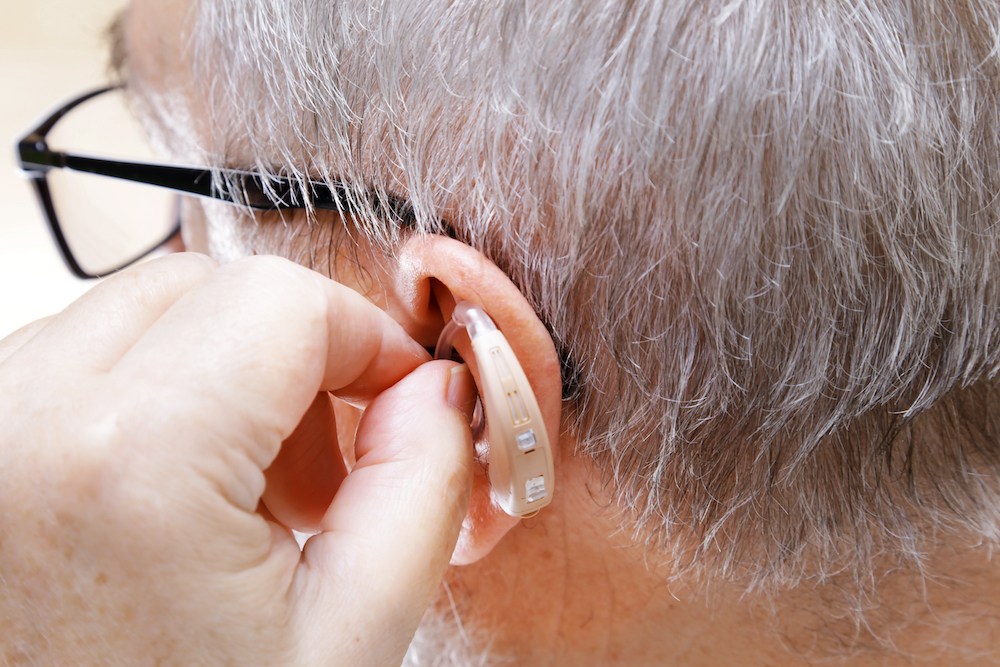
Your audiologist will help you get the most out of your hearing aids. The process begins with selecting the right device for your needs. This involves considering your hearing profile, daily routines, lifestyle and preferences for fit and style
Once a device is selected, your audiologist provides education on its features and functions. They show you how to put in and remove the device, operate controls and maintain it properly.
Programming is another key step, often involving real-ear measurements, which ensure that the hearing aid delivers sound accurately to your ears based on your unique hearing levels.
This careful calibration improves clarity and reduces distortion, making everyday listening easier.
After your hearing aids are programmed, adjustments may be necessary as you get used to wearing them. Your audiologist fine-tunes settings based on your feedback, helping the device perform well in a variety of environments.
They also provide ongoing support for repairs and maintenance, ensuring your hearing aids continue to work effectively over time.
Regular check-ins help address any issues early, keeping your hearing experience smooth and reliable.
Taking care of your ears is about more than just addressing problems as they arise. Working with an audiologist gives you a clear understanding of how your ears are functioning and what factors might affect your hearing.
With regular check-ins, you gain guidance on managing symptoms, monitoring changes and making practical choices that support your ear health every day.
Audiologists provide ongoing support that fits naturally into your routine. Whether it’s explaining unusual sensations, tracking hearing over time or recommending strategies to protect your ears, having professional guidance makes a real difference.
You can reach the team at Hearing Solutions of Northwest Michigan in Traverse City at (231) 518-4422 for personalized advice and care that helps maintain your ear health for the long term.
Tags: audiology services, hearing care services, hearing loss treatment
Cold weather creates challenges for hearing aids that most people
By: admin | January 19, 2026
Audiologists do more than just test your hearing. They help you manage
By: admin | November 18, 2025

Hearing loss impacts many students in schools, yet its effect on learning
By: admin | September 24, 2025